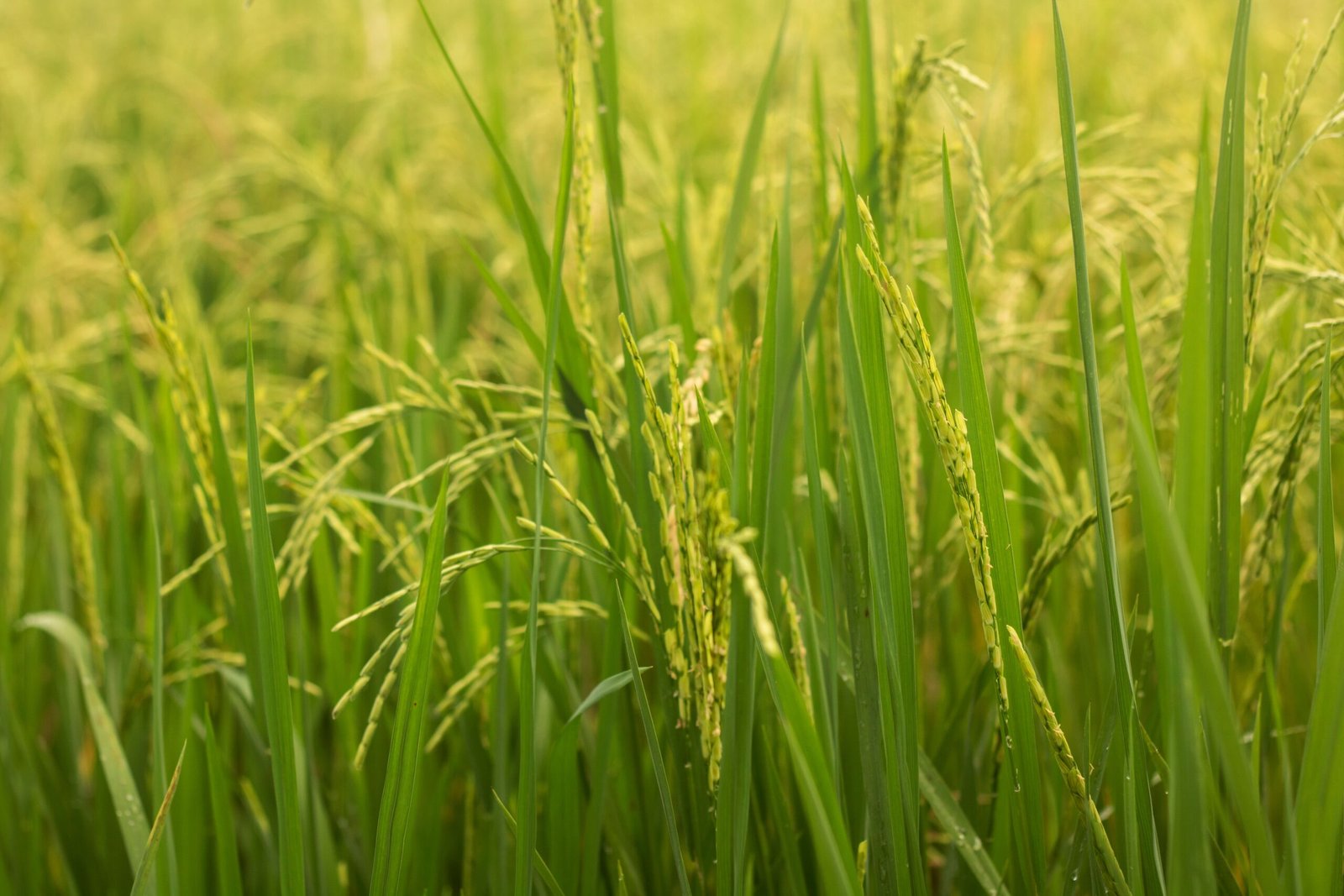
What are Cereal crops?
Scientifically, cereals are classified under the Poaceae family. These seeds for use in human food, animal feed, and various industrial applications. Cereal crops are grains from which the inedible outer husk has been removed. They are rich in carbohydrates, vitamins, proteins, minerals, and various other nutrients. Cereal grains are among the most popular food choices worldwide because they are quick to prepare and highly nutritious. To enhance their nutritional value, they are often consumed with ingredients such as dairy products, sweeteners, assorted fruits, mixed nuts, and berries. For optimal health benefits, it is best to consume whole grains. The reason being they contain higher levels of fiber, protein, and calcium compared to refined grains.
These crops complete their life cycle within a single season; therefore, they are called annual crops.
Types of Cereal Crops
- Wheat
- Rice
- Maize (Corn)
- Barley
- Oats
- Millets
Wheat (Triticum Spp.)
Wheat is the second most important staple food crop in India after rice and is one of the oldest cultivated Rabi crops. It is rich in carbohydrates and other nutrients. It serves as a primary ingredient for various food products, such as chapatis, bread, biscuits, pasta, and noodles.
The crop is sown during the winter months (October to December) and harvested at the onset of spring or summer (April to June). It requires cool, dry weather (10–15°C) during the growing phase and bright sunlight (21–26°C) during the ripening stage.
Rice (Oryza Sativa)
India is the world’s second-largest producer, with major rice-growing states including West Bengal, Uttar Pradesh, Andhra Pradesh, Punjab, and Bihar. Rice is primarily a Kharif crop; the cycle from sowing to harvesting takes approximately three to six months. While typically grown from June to October, it can also be cultivated during the Rabi and summer seasons if reliable irrigation facilities are available. Production requires an average annual rainfall of 1,000 mm to 1,500 mm and temperatures ranging between 25°C and 35°C. It can tolerate both acidic and alkaline soil conditions.
Maize/Corn (Zea Mays)
Maize (also known as corn) is a crop in which India ranks fifth globally in terms of production. Major cultivation takes place in the states of Bihar, Uttar Pradesh, Madhya Pradesh, Andhra Pradesh, Karnataka, and Maharashtra. Maize is utilized for human consumption, animal feed, and the production of industrial goods such as starch, ethanol, and biofuels. Its cultivation requires temperatures between 20–30°C and rainfall ranging from 500 to 800 mm.Loamy soil with good drainage and a pH level between 5.5 and 7.0 is considered ideal; excessive waterlogging can damage the roots.
Sowing takes place during the Kharif season in June–July (coinciding with the onset of the monsoon), the Rabi season in October–November (where irrigation facilities are available), and the summer season in January–February (in irrigated areas).
Barley (Hordeum Vulgare)
Barley is cultivated in India primarily in states such as Punjab, Haryana, Uttar Pradesh, Madhya Pradesh, Rajasthan, Bihar, Himachal Pradesh, Uttarakhand, Jharkhand, Jammu & Kashmir, Chhattisgarh, West Bengal, Nagaland, and Maharashtra. It is rich in Vitamin B-complex and protein. It serves as a raw material for pharmaceutical companies and for the production of malted foods and beverages—including Bournvita, Horlicks, biscuits, chocolate, beer, whisky, brandy, industrial alcohol, and vinegar. Barley cultivation requires well-drained loam, clay-loam, or sandy-loam soil with a pH level between 6.0 and 8.0. It requires temperatures of 12–15°C for growth and approximately 30°C for maturity.
Oats (Avena Sativa)
Oats are a cereal crop primarily cultivated in temperate and subtropical climates. They are rich in protein and fiber and help with weight loss, blood pressure control, and strengthening the immune system. A soil pH of 5 to 6.6 is considered ideal for oat cultivation, and sowing takes place between mid-October and the end of October.
Millet
Millet is a cereal crop of the tropical season; it is cultivated during both the Kharif season (during the monsoon) and Rabi seasons (during the post monsoon). The Kharif crop is primarily used for animal fodder, pharmaceutical industry and alcohol industries, whereas the Rabi crop is used for human consumption. In India, it is cultivated in Punjab, Uttar Pradesh, Madhya Pradesh, Andhra Pradesh, Rajasthan, Maharashtra, Karnataka, Gujarat, and Tamil Nadu. Well-drained sandy loam soil and warm weather with a pH level between 6 and 7.5 is suitable for its cultivation. Several types of millets are found in India—foxtail millet, pearl millet, kodo millet, barnyard millet, proso millet, finger millet, and sorghum millet.
Winding Up on Cereal Crops
All I can say is that this blog is a brief on cereal crops, and more is coming up next. They will cover about each cereal crop in detail. Till then if you haven’t read Everything You Need to Know About Plant Nutrition series, I’d recommend to go check it out.