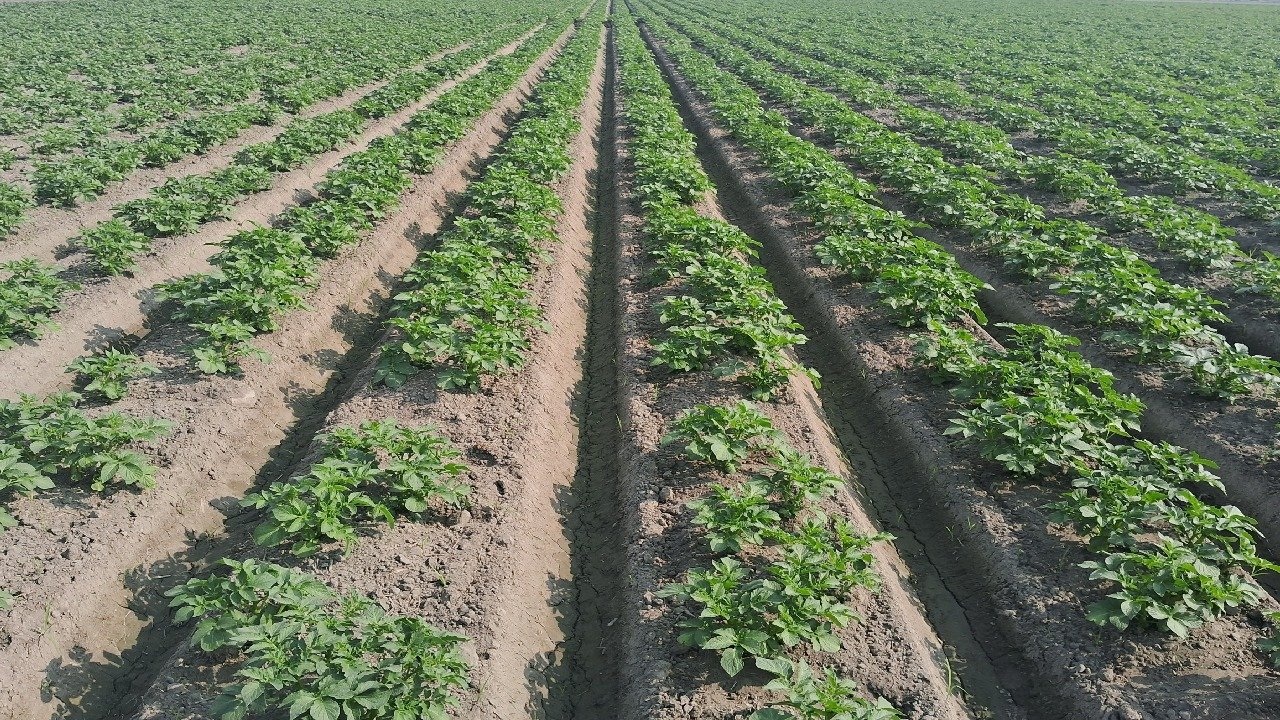
This is the third part of Everything You Need to Know About Plant Nutrition, therefore before you read further it is highly recommended for you to read first and second part of the series. In the first part, we discussed on essential non-mineral nutrients. The second part consists of Macronutrients. Now, the third part on Micronutrients, which will give you a better view on nutrient management.
Micronutrients in Nutrient Management
Micronutrients are essential minerals for plants and should be taken in consideration for nutrient management; although required in very small quantities, they are crucial for healthy growth and the production of flowers and fruits.
The micronutrients essential for nutrient management include: – Zinc (Zn), Iron (Fe), Manganese (Mn), Boron (B), Copper (Cu), Molybdenum (Mo), Chlorine (Cl), and Nickel (Ni).
Iron (Fe) for Nutrient Management
Role of Iron in Plants
Iron is an essential micronutrient for plants. It plays a vital role in chlorophyll synthesis and electron transfer during photosynthesis. Additionally, it is crucial for the activity of various enzymes and for enzymatic processes involved in respiration. It aids nitrogen utilisation and metabolism within the plant, facilitating the formation of chlorophyll (green pigment) in the leaves.
Deficiency Symptoms of Iron
Iron (Fe) deficiency in plants manifests as yellow stripes between the leaf veins, while the veins themselves remain green. In cases of severe deficiency, the entire leaf turns yellow or white, leading to stunted plant growth and reduced photosynthetic capacity; the effects of iron deficiency appear first on the new leaves.
Source and Use of Iron in Plants
To address iron deficiency, use ferrous sulphate (FeSO₄) or chelated iron (Fe-EDTA); it is best to spray the liquid form on the plants during the morning hours. It can also be mixed with organic manure and applied to the soil near the roots. Excessive amounts can harm the plants, so only the recommended quantity should be used.
Zinc (Zn) for Nutrient Management
Role of Zinc in Plants
Zinc is an essential micronutrient for plants. It aids in processes such as plant growth, photosynthesis, nitrogen metabolism, root development, chlorophyll formation, and cell division, thereby ensuring healthy early-stage growth. It plays a crucial role in enzyme activity, protein synthesis, and the production of growth hormones (auxins).
Deficiency Symptoms of Zinc
Zinc is an essential micronutrient for plants. Zinc deficiency causes the edges of new leaves to turn yellow while the main veins remain green. White or yellow spots begin to appear on the leaves. The leaves become small, thin, and distorted. The distance between leaves (internodes) decreases, giving the plant a bushy or clustered appearance.
Causes of Zinc Deficiency
High soil pH, excessive phosphorus levels in the soil, sandy soil or soil with very high organic matter content, continuous cultivation of the same crop, and excessively wet or waterlogged soil.
Source and Use of Zinc in Plants
Zinc (Zn) is an essential micronutrient for plants. Plants primarily obtain zinc from the soil, farmyard manure, and compost. To address zinc deficiency, zinc sulphate (ZnSO₄), zinc oxide, and zinc chelates are applied either to the soil or as a foliar spray. Soil application should be based on a prior soil test and the specific requirements of the crop. Foliar spraying is recommended if deficiency symptoms appear in the standing crop. Zinc aids in the growth of roots and stems, as well as the development of flowers, fruits, and seeds. Adequate zinc availability improves plant growth, quality, and crop yield.
Manganese (Mn)
Role of Manganese in Plants
Manganese (Mn) is an essential micronutrient for plants that plays a role in the process of photosynthesis and aids in the formation of chlorophyll. It activates several enzymes required for carbohydrate, protein, and lipid metabolism. It helps maintain the structure and stability of chlorophyll and regulates enzymes involved in the reduction and utilisation of nitrates within the plant. Manganese helps boost the plant’s disease resistance and, when available in adequate amounts, enhances plant growth, development, and yield.
Deficiency Symptoms of Manganese
Manganese is immobile within the plant; therefore, symptoms of its deficiency appear first on the new leaves. The tissue between the leaf veins begins to turn yellow, while the veins themselves remain green. Stunted crop growth, reduced plant development, and decreased yield are the symptoms associated with this deficiency.
Causes of Manganese Deficiency
Manganese deficiency in plants is primarily caused by alkaline soil conditions; high soil pH (above 6.5) renders manganese insoluble, making it difficult for plants to absorb. Excessive use of lime increases soil alkalinity; other causes include poor aeration due to waterlogging or inadequate drainage, and nutrient leaching in sandy or light-textured soils, which prevents roots from accessing manganese. In soils with very high organic matter content—such as those heavily amended with manure or vermicompost—manganese can become bound up and unavailable to plants.
Source and Use of Manganese in Plants
Manganese (Mn) is an essential micronutrient for plants. Plants primarily absorb it from the soil through their roots in the form of manganese ions (Mn²⁺). It drives vital biological processes in plants, such as photosynthesis, enzyme activation, and nitrogen metabolism. Naturally, weathering of soil minerals and rocks derives manganese. Plants obtain it organically from vermicompost and decomposed organic matter, and chemically from sources like manganese sulphate (MnSO₄) and chelated manganese, which farmers apply to the soil or use as foliar sprays. Manganese plays a crucial role in chlorophyll formation, photosynthesis, enzyme activation, nitrogen metabolism, and carbohydrate synthesis. It facilitates the conversion of absorbed nitrogen into protein and strengthens plant cell walls; it also boosts disease resistance, providing protection against root rot and other ailments. Additionally, it aids in pollen germination and pollen tube growth in flowers.
Boron (B)
Role of Boron in Plants
Boron is a vital micronutrient for plants; it facilitates cell wall formation and cell division, and enhances processes such as flowering, pollination, fruit development, and fruit set. It prevents the premature dropping of flowers and young fruit, aids in the translocation of sugars and other nutrients within the plant, and promotes the development and spread of new roots.
Deficiency Symptoms of Boron
Boron deficiency affects flower development and pollination, leading to premature flower drop, reduced fruit and seed formation, stunted growth of developing parts, drying of growth buds, and fruit cracking or internal rotting. Stems and leaves may become stiff and curled.
Causes of Boron Deficiency
Boron is an essential micronutrient; its deficiency stunts plant growth and damages the crop. A primary cause of this deficiency is excessive rainfall or irrigation, as boron dissolves easily in water and washes away. Plants cannot access boron in alkaline soils with a pH above 7.0. High levels of lime or calcium carbonate in the soil render boron unavailable to plants. Nutrients do not remain in sandy or light-textured soils for long periods. Boron availability also decreases when there is a lack of manure or organic matter in the soil, and roots struggle to absorb boron from dry soil.
Source of Boron in Plants
Soil provides plants with their primary source of boron, which organic matter and minerals release, water dissolves, and roots absorb in the form of boric acid. Farmers also replenish boron levels using chemical fertilisers and organic sources. In some locations, boron is present in groundwater or irrigation water, providing a supply to both the soil and the plants. Farmers use Borax (or sodium tetraborate, containing approximately 10.5% to 11.3% boron) when soil boron is deficient, while they typically apply boric acid via spraying. Farmers use Solubor (containing approximately 20% boron), a fully water-soluble boron fertiliser, for foliar spraying.
Copper (Cu)
Role of Copper in Plants
Copper is an essential micronutrient for plants. It aids in energy transport and chlorophyll formation, processes necessary for photosynthesis. Additionally, it balances energy production and metabolic activities within the plant, facilitating respiration. It also promotes nitrogen utilisation and protein synthesis—leading to the creation of proteins and carbohydrates—and activates enzymes that regulate vital biological functions like protein synthesis. Copper strengthens plant cell walls, thereby reducing susceptibility to diseases and boosting the plant’s disease resistance; additionally, it is essential for flower and seed formation and influences the plant’s reproductive capacity.
Deficiency Symptoms of Copper
Copper deficiency in plants causes new leaves to turn blue-green, curl, and shrivel; plant growth is stunted, and the plants remain small. Leaf tips turn white and begin to wither. Flower development is reduced, and flowers may drop off. Pollination and seed formation are impaired, leading to reduced yields. The plant’s ability to withstand diseases and adverse conditions diminishes.
Causes of Copper Deficiency
If the soil pH exceeds 7.0, copper becomes chemically stable, making it unavailable for plant uptake. High calcium levels in the soil inhibit copper absorption. Excessive application of organic manure or accumulated organic matter causes copper to bind tightly to soil particles, preventing plant uptake. Excessive fertiliser use disrupts the balance and utilisation of copper within plants. In sandy or light soils, micronutrients like copper can wash away with water.
Source of Copper in Plants
Natural soil is the primary source of copper for plants, as the element naturally exists as a mineral in most soils. Decomposed cow dung manure or compost increases the copper content in the soil. Chemical fertilisers and fungicides, such as copper sulphate and copper oxychloride, are also used to rectify copper deficiency in plants.
Molybdenum (Mo)
Role of Molybdenum in Plants
Molybdenum (Mo) is an essential micronutrient for plants. Although required in very small quantities, it plays a crucial role in plant growth and nitrogen utilisation. It assists in converting nitrate into ammonia, enabling plants to synthesise amino acids and proteins. Bacteria found in the roots of leguminous crops require it to fix atmospheric nitrogen. Molybdenum is essential for the activity of the nitrate reductase enzyme, which converts nitrate into a form usable by the plant. Adequate application of molybdenum proves beneficial for normal plant growth, leaf development, and crop yield.
Deficiency Symptoms of Molybdenum
Molybdenum deficiency causes the areas between the veins of older leaves to turn light green or yellow; leaf margins may curl, scorch, or roll inward, and the tissue eventually dries out. Stunted stem growth results in smaller plants, leading to reduced flowering and grain formation, which lowers overall yield. In crops like cauliflower, leaves become deformed and take on a “Whiptail” appearance.
Causes of Molybdenum Deficiency
If the soil pH level is low, the availability of molybdenum to plant roots decreases. In sandy and light soils, the total quantity of this element naturally declines due to leaching. A lack of organic matter in the soil is another factor. High levels of iron oxides or aluminium in the soil bind the molybdenum, making it unavailable to plants.
Source of Molybdenum in Plants
Soil contains molybdenum in very low quantities, and acidic soils further reduce its availability. Maintaining soil organic matter levels helps increase its availability.
Farmers can apply sodium molybdate, a highly water-soluble source, via spraying or soil application. Farmers use ammonium molybdate, a key fertiliser, for seed treatment or foliar spraying.
Chlorine (Cl)
Role of Chlorine in Plants
Chlorine, which functions as the chloride ion within the plant, is an essential micronutrient that aids in photosynthesis, osmoregulation, and the maintenance of water and nutrient balance.
It facilitates the photolysis of water, resulting in the release of oxygen. Additionally, it regulates water pressure and ion balance within cells. It assists in the opening and closing of stomata, thereby controlling water loss from the plant. It helps protect plants against various fungal diseases, thereby boosting the plant’s immunity.
Deficiency Symptoms of Chlorine
Chlorine functions as a mobile nutrient within plants. When a chlorine deficiency occurs, leaves typically begin to turn yellow, spotted, or mottled; subsequently, the leaf margins turn brown, and the yellowing leaves begin to wither. For instance, in tomato plants, leaf edges curl upwards, the plant wilts, and the root system becomes stunted yet excessively branched. Overall plant growth slows down, and crop yield decreases.
Causes of Chlorine Deficiency
The primary cause of chloride deficiency in soil is the use of irrigation water containing negligible amounts of minerals or salts, which fails to replenish the soil’s chloride levels. Excessive rainfall also causes rapid leaching, as these ions do not bind strongly to the soil particles. Prolonged use of fertilisers lacking chlorine can lead to a deficiency. Additionally, highly acidic soil disrupts the balance of various ions, indirectly affecting chlorine absorption by plants.
Source of Chlorine in Plants
Chlorine is derived from various salts present in the soil and the weathering of rocks. Chloride particles dissolved in rainwater reach the soil. Farmers primarily obtain chlorine from Muriate of Potash (MOP)—or potassium chloride (KCl)—fertiliser, the most common and significant agricultural source of chlorine; however, they also obtain chlorine from certain other chemical fertilisers and irrigation water.
Nickel (Ni)
Role of Nickel in Plants
Nickel is an essential micronutrient for plants, required in very small quantities for normal growth and metabolism. Its primary function involves breaking down urea present within the plant into ammonia and carbon dioxide; nickel is a key component of the enzyme urease, which facilitates this breakdown. If nickel is unavailable, urea cannot be broken down, leading to the accumulation of toxic urea within the plant, which causes the leaves to wither. It is essential for seed germination and the overall growth of the plant.
Deficiency Symptoms of Nickel
Yellowing appears between the leaf veins. Leaf tip necrosis, stunted plant growth, and the emergence of undersized new leaves are all highly likely to be caused by a nickel deficiency.
Causes of Nickel Deficiency
If the soil is highly alkaline, calcareous, or deficient in organic matter, the nutrient balance is disrupted; in such conditions, the movement of nickel to the plant roots is hindered, potentially leading to visible deficiency symptoms. In excessively sandy or light soils, an excess of water causes nutrients to leach downwards. Furthermore, continuous application of urea can lead to toxicity in plants due to urea accumulation and a reduction in nickel’s functional efficiency.
Source of Nickel in Plants
The primary sources of nickel are soil minerals and organic fertilisers. The continuous addition of decomposing plant matter and organic manure to the soil helps maintain nickel levels. Often, nickel-containing micronutrient fertilisers (such as nickel sulphate) are used to address nickel deficiency in the soil.
Conclusion
Micronutrients may be required by plants in very small quantities, but they play essential roles in growth, development, metabolism, photosynthesis, reproduction, and disease resistance. Iron, zinc, manganese, boron, copper, molybdenum, chlorine, and nickel each perform specific functions, and deficiencies can significantly affect plant health and crop yield.
Maintaining balanced soil fertility through proper nutrient management, organic matter, soil testing, and the appropriate use of fertilisers can help ensure adequate micronutrient availability. Since both deficiencies and excessive applications can harm plants, farmers should apply micronutrients according to crop requirements and soil conditions. Understanding the sources, functions, and deficiency symptoms of these nutrients enables growers to make informed decisions and maintain healthy, productive crops.
Winding Up On Nutrient Management Series
With this we wrap the complete Everything You Need to Know About Plant Nutrition series. It shed a light on nutrient management and was fun for me to write. I hope you’ll too liked this series just like me. If you feel otherwise, comments are open, I would love to engage with you’ll. However it doesn’t mean if you have any thoughts, questions, or suggestions, you cannot leave a comment. Plant nutrient management can seem complicated at first, but understanding what plants need, why they need it, and what happens when those nutrients are lacking can make a huge difference in how we grow them. Please share your experiences as well.
1 thought on “Everything You Need to Know About Plant Nutrition (Part 3)”